
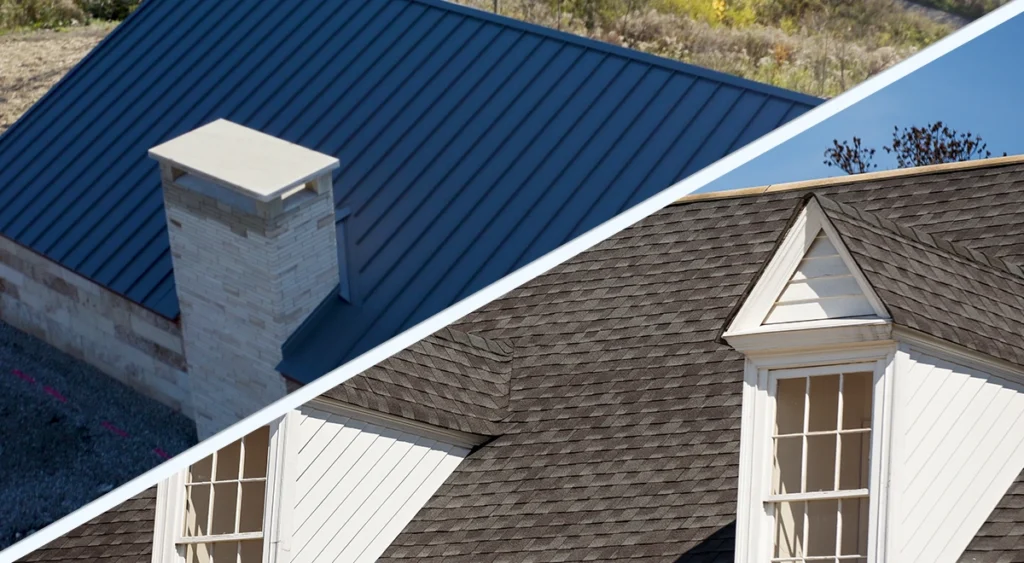
Is a Metal Roof More Expensive Than Shingles? Let’s Break Down the Costs
Does a metal roof cost more than shingles? This is a common question for homeowners planning a roof replacement or building a new home. At first glance, the answer seems obvious—metal roofs almost always have a higher upfront price tag. But the real story is more complex. When you factor in lifespan, maintenance, energy efficiency, and long-term value, the comparison starts to look different.
In this guide, we’ll go beyond the sticker price. You’ll see how much each option costs upfront, what you can expect over decades of ownership, and which might be the better investment for your home in the long run.
Does a Metal Roof Cost More Than Shingles?

One of the main reasons homeowners choose shingles over metal is the initial price. Asphalt shingles are among the most affordable roofing options on the market, while metal roofing—especially premium materials like copper or zinc—comes with a steeper upfront cost.
Average installation prices:
- Asphalt shingles: $4–$10 per square foot (about $6,000–$10,000 for a typical 1,500–2,000 sq ft roof).
- Metal roofs: $10–$27 per square foot (about $15,000–$24,000 for the same size roof).
Why the difference?
- Metal roofing materials are more expensive to produce.
- Installation is more specialized, requiring experienced crews and precise techniques.
- Some metal roofs are custom-fabricated for each job, adding to labor time and cost.
Breaking Down Metal Roofing Costs by Type
Not all metal roofs are created equal, and the type of material you choose will have a big influence on both your upfront costs and the long-term value you get from your investment. Different metals vary in durability, appearance, weight, and resistance to environmental factors. Here’s a closer look at the most common options:
Steel
Steel is one of the most popular and budget-friendly choices for metal roofing. It’s strong, durable, and widely available, making it a practical option for many homeowners. Modern steel roofing is often coated with zinc (galvanized) or a zinc-aluminum mixture (Galvalume) to improve corrosion resistance.
- Cost: Starting at around $10 per square foot, making it one of the more affordable metal materials.
- Best for: Homes in areas with varied weather conditions where strength and value matter more than luxury aesthetics.
- Pros: Durable, widely available, and available in many colors and styles.
- Cons: Without proper coatings, it can be prone to rust in coastal or very wet climates.
Aluminum
Aluminum is lightweight and naturally corrosion-resistant, which makes it an excellent choice for coastal regions where salty air can quickly damage other materials. It’s also more malleable than steel, allowing for a wider variety of roof shapes and styles.
- Cost: Slightly more than steel, often ranging between $11–$15 per square foot.
- Best for: Homes near oceans or lakes, or in humid climates where rust is a concern.
- Pros: Rust-proof, lightweight, easy to work with, and energy-efficient due to high reflectivity.
- Cons: Softer than steel, so it can dent more easily from hail or falling branches.
Standing Seam Steel or Aluminum
Standing seam roofs are a style rather than a separate material type, but they’re worth mentioning because they’re one of the most durable and visually appealing options in metal roofing. These roofs have raised seams that interlock, hiding fasteners and creating a sleek, continuous look.
- Cost: Higher labor costs due to precise installation, typically $12–$20 per square foot for steel and slightly more for aluminum.
- Best for: Homeowners seeking a modern, high-end look with maximum weather resistance.
- Pros: Extremely durable, minimal maintenance, superior water shedding, and excellent wind resistance.
- Cons: Higher upfront cost and requires experienced installers to get it right.
Copper
Copper is the luxury option in metal roofing. It’s prized for its rich color that naturally develops into a green patina over time, creating a distinctive and timeless look. Copper roofs can last a century or more, making them a true “install it once” investment.
- Cost: Can be three to five times the cost of asphalt shingles, often $20–$40+ per square foot.
- Best for: High-end or historic homes where appearance is a top priority.
- Pros: Extremely long lifespan, virtually maintenance-free, and naturally resistant to corrosion.
- Cons: Very high initial cost, and can be a target for metal theft in some areas.
Zinc
Zinc is another premium metal known for its self-healing properties—small scratches will naturally blend back into the surface over time. Like copper, it develops a protective patina, but its tone is softer, often bluish-gray. Zinc is also highly eco-friendly, as it requires minimal energy to produce and is fully recyclable.
- Cost: Similar to copper, generally $18–$30+ per square foot.
- Best for: Environmentally conscious homeowners looking for a premium, long-lasting option with unique aesthetics.
- Pros: Self-healing surface, long lifespan, low maintenance, and sustainable production.
- Cons: Expensive upfront, and can stain nearby surfaces with runoff if not properly designed.
Why Installation Costs Differ
Shingle installation is familiar territory for most roofing crews. It’s a straightforward process that can often be completed in a couple of days.
Metal roofing, on the other hand, often requires:
- Specialized cutting and bending tools.
- Additional safety measures, especially for large panels.
- Careful fastening to avoid leaks or metal expansion issues.
- More labor hours are required due to the precision required.
This extra complexity means higher labor costs, even if the material prices were identical.
Lifespan: How Long Will Each Roof Last?
Here’s where the value equation starts to shift.
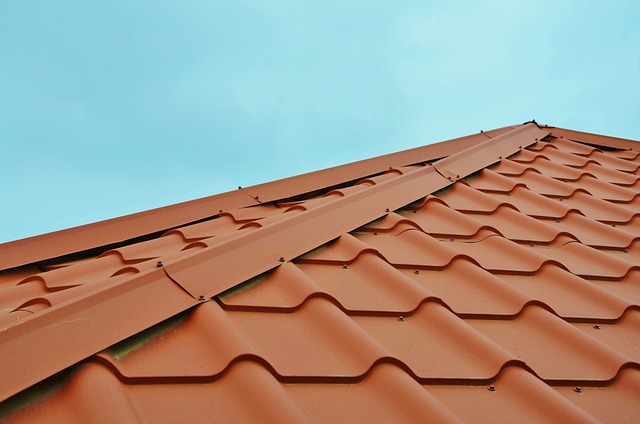
- Metal roofs: 40–70 years for most types, with copper and zinc potentially lasting over 100 years.
- Asphalt shingles: 15–30 years for standard shingles; premium architectural shingles may reach 40–50 years in ideal conditions.
That means a metal roof could last two to three times longer than shingles. Over a 50-year span, you might replace a shingle roof twice (or even three times) while your metal roof is still going strong.
Maintenance and Repairs
Asphalt shingles
- More prone to damage from wind, hail, and heavy rain.
- Granules can wear off over time, reducing UV protection.
- May require periodic patching or replacing sections.
Metal roofs
- Highly resistant to wind, fire, and impact damage.
- Won’t rot or suffer from insect damage.
- Minimal maintenance—just occasional cleaning and inspections.
While repairs for a metal roof can be more expensive per incident, they tend to be far less frequent.
Energy Efficiency and Savings
Metal roofs are known for their reflective properties, which help deflect heat from the sun. This can:
- Reduce cooling costs by up to 40% in hot climates.
- Keep your attic space cooler, extending the life of insulation and HVAC systems.
Asphalt shingles absorb more heat, which can increase cooling costs, especially in sunny regions. However, cool-roof shingles with reflective granules are available, narrowing the efficiency gap.
Environmental Impact
If sustainability is a priority, metal has a clear edge:
- Often made from 25–95% recycled content.
- Fully recyclable at the end of its life.
- Long lifespan means less waste over time.
Asphalt shingles, on the other hand:
- Are petroleum-based and not easily recyclable.
- Contribute millions of tons of waste to landfills each year.
- Need more frequent replacement, increasing resource use.
Insurance and Resale Value Benefits
Some insurance companies offer lower premiums for metal roofs because of their superior durability against fire, wind, and hail.
From a resale perspective:
- A newer metal roof can be a strong selling point, signaling to buyers they won’t need a replacement for decades.
- Shingles are more common and familiar, which may appeal to budget-conscious buyers, but they don’t have the same “buy it and forget it” longevity appeal.
Cost Over Time: The Lifecycle View
Upfront, metal is more expensive. But when you factor in replacements, repairs, and energy savings, the long-term picture changes.
Example for a 2,000 sq ft home over 45 years:
- Shingles: Replace twice, plus maintenance — total ~$50,000–$60,000.
- Metal: Install once, minimal maintenance — total ~$23,000–$30,000.
That’s why homeowners planning to stay in their house for the long haul often see metal as the better investment.
Side-by-Side Comparison Table
| Feature | Metal Roofs | Asphalt Shingles |
| Upfront Cost | $10–$27/sq ft ($15k–$24k total) | $4–$10/sq ft ($6k–$10k total) |
| Lifespan | 40–70+ years (up to 100 for copper/zinc) | 15–30 years (up to 50 for premium shingles) |
| Maintenance | Very low | Moderate to high |
| Energy Efficiency | High—reflective, cuts cooling costs | Moderate—absorbs more heat |
| Repairs | Rare, but more expensive per incident | More frequent, generally lower per incident |
| Eco-Friendly | Recyclable, often made with recycled content | Not recyclable, petroleum-based |
| Insurance Benefits | Often lower premiums | Standard rates |
| Resale Value | High—seen as premium, long-term investment | Moderate—common and familiar option |
Which Should You Choose?
Choose shingles if:
- You have a tighter budget and need a lower upfront cost.
- You plan to move within the next 10–15 years.
- You prefer a more traditional look and variety of color/texture options.
Choose metal if:
- You’re planning to stay in your home long-term.
- You want low maintenance and high durability.
- You value energy efficiency and sustainability.
- You’re willing to invest more now for bigger savings later.
Final Thoughts
Yes, a metal roof costs more than shingles upfront—but it often pays off in the long run. Between its longer lifespan, lower maintenance needs, and potential energy savings, metal can be the smarter financial choice if you’re in your “forever home” or looking to boost your home’s resale value.
Shingles still have a place—they’re affordable, widely available, and come in styles to match
If you’re in Vancouver and trying to decide between a metal roof and shingles, Proper Roofing’s Vancouver Roofing Services can help. Our experts will walk you through cost comparisons, show you real samples, and give you an honest recommendation based on your needs. Contact us today to schedule a free consultation and get a clear picture of what’s right for your home.
Check out our social media pages below:
Check out some of our blogs to help with your Roofing needs: