
Are Your Roof Shingles Made with Fiberglass? Find Out Here
Do roof shingles have fiberglass? If you’re like most homeowners, you’ve probably looked up at your roof and wondered what it’s really made of. After all, shingles cover your home, protect it from the elements, and play a big role in energy efficiency and curb appeal. Knowing what’s inside those shingles can help you make smarter choices when it comes time for repairs or a full roof replacement.
The short answer is yes: most modern asphalt shingles do have fiberglass inside them. That fiberglass base is what gives today’s shingles their strength, durability, and fire resistance. But not all shingles are the same, and understanding the difference can save you money and headaches later. Let’s dig into what fiberglass shingles are, how they compare to older organic shingles, and whether they might be the right fit for your home.
What Are Roof Shingles Made Of (And Does Fiberglass Play a Role)?

Today’s most common roofing material, the asphalt shingle, is made up of several layers:
- Fiberglass mat base – A lightweight web of glass fibers that provides structure.
- Asphalt coating – Adds waterproofing and flexibility.
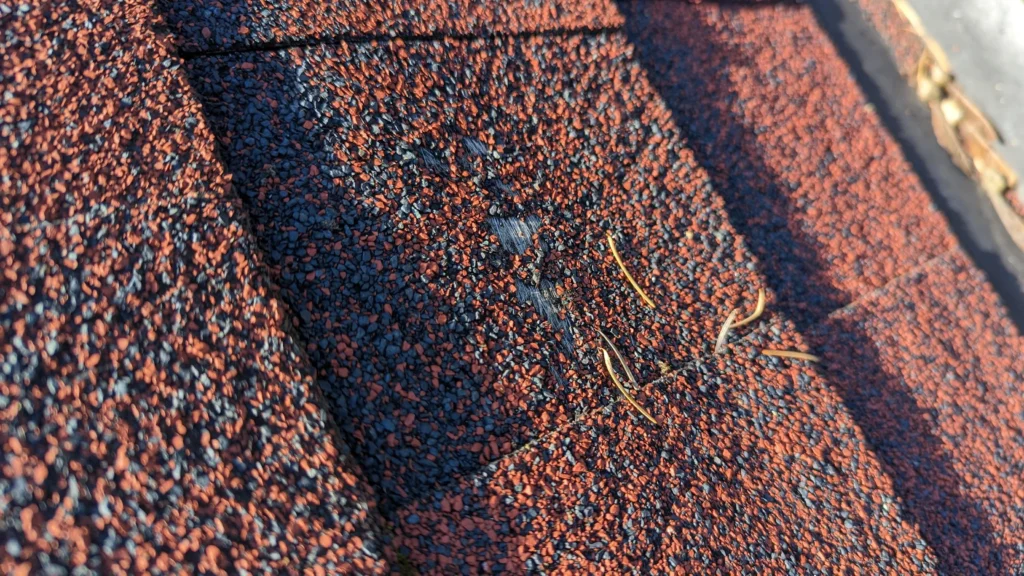
- Mineral granules – Protect against UV rays, add color, and provide fire resistance.
This fiberglass mat is the key difference between modern shingles and the older organic type, which used felt paper or cellulose as the base. While both are called “asphalt shingles,” the fiberglass mat version is lighter, stronger, and more stable.
Think of it like baking: organic shingles are like an old-fashioned loaf made with dense flour, while fiberglass shingles are more like a modern, airy loaf made with a stronger, lighter base. The ingredients are different, and the results perform differently on your roof.
Fiberglass vs. Organic Shingles – What’s the Difference?
Back in the day, organic asphalt shingles were the norm. They used a thick felt base soaked in asphalt, which made them heavy and absorbent. While they offered decent protection, they had a few downsides: they absorbed water, warped over time, and weren’t very fire-resistant.
Fiberglass shingles were introduced later and quickly took over the market. Here’s why:
- Weight: Fiberglass shingles are lighter, making them easier to transport and install.
- Moisture performance: Fiberglass doesn’t absorb water, so the shingles don’t swell or distort.
- Fire safety: Most fiberglass shingles earn a Class A fire rating (the highest), while organics usually max out at Class B.
- Longevity: Fiberglass lasts longer, often double the lifespan of organic shingles.
By the 1980s and 90s, fiberglass shingles had become the industry standard, and most manufacturers stopped producing organics altogether.
Why Fiberglass Shingles Are So Common Now
Fiberglass shingles are now the dominant product because they deliver in multiple areas that matter most to homeowners.
- Fire Safety: They hold a Class A fire rating, offering top protection against sparks and flames.
- Durability: Fiberglass holds its shape, resists warping, and can withstand decades of sun, rain, and wind.
- Lightweight Strength: Easier on your home’s structure compared to the heavier organic shingles.
- Design Variety: Available in countless colors and styles, from classic 3-tab to high-end architectural shingles that mimic slate or wood.
- Energy Efficiency: Reflective granules can help lower cooling costs in hot climates.
- Environmental Benefits: Fiberglass shingles use less asphalt, which makes them more eco-friendly and easier to recycle than older versions.
It’s not an exaggeration to say that fiberglass transformed the roofing industry, making shingles safer, lighter, and longer-lasting.
Pros and Cons: Fiberglass Shingles at a Glance
Pros
- Strong fire resistance – Safer than organic shingles, giving you peace of mind.
- Durable – Longer lifespan and better weather performance.
- Lightweight – Puts less strain on your roof deck.
- Wide variety – Many styles and colors to match your home.
- Eco-friendlier – Uses less asphalt, often includes recycled content.
Cons
- Higher upfront cost – Fiberglass shingles can cost more than basic organic or older asphalt shingles.
- Wind limitations – In extreme storm zones, some fiberglass shingles may be less impact-resistant, though premium versions solve this issue.
- Not indestructible – Like all shingles, they can crack or lift if improperly installed or exposed to harsh conditions.
Fiberglass Shingles: A Deeper Look at Features
Fire Resistance
One of the biggest reasons fiberglass shingles are favored is their superior fire rating. With a Class A rating, they can withstand higher heat exposure, making them safer in wildfire-prone or lightning-prone regions.
Lifespan
Fiberglass shingles typically last 25–50 years, depending on the style. Standard 3-tab fiberglass shingles lean toward the lower end, while architectural or premium fiberglass shingles can last much longer.
Weather and Storm Resistance
Fiberglass shingles resist warping and moisture damage, and many brands offer versions tested for high-wind resistance (some up to 130 mph). Still, for hurricane or tornado-prone areas, homeowners often choose specialized shingles or even metal roofing for maximum protection.
Environmental Impact
Because they use less asphalt, fiberglass shingles require fewer petroleum resources. Many brands now include recycled glass or asphalt, and when they’re removed, some facilities can recycle them into paving materials.
Are All Asphalt Shingles Fiberglass-Based Today?
Nearly all new asphalt shingles sold today are fiberglass-based. Organic shingles are still mentioned in older roofing guides, but they’re rarely available and generally considered outdated. If your roof is over 25 years old, there’s a chance it has organic shingles, but any modern replacement will almost certainly be fiberglass.
Tips to Identify Your Shingle Type
Not sure what’s on your roof right now? Here are some ways to tell:
- Texture – Fiberglass shingles look thinner and more uniform, while organic shingles look thicker and rougher.
- Weight – If you can lift a sample, fiberglass is noticeably lighter.
- Age of roof – Roofs built or replaced before the mid-1980s may still have organic shingles.
- Check manufacturer info – Brands like IKO, GAF, or CertainTeed clearly list fiberglass composition on packaging and warranties.
If you’re still unsure, a roofing contractor can inspect a sample and tell you right away.
Should You Choose Fiberglass Shingles?
The decision depends on your budget, location, and long-term goals:
- Choose fiberglass shingles if:
- You want a long-lasting, fire-safe, modern roofing option.
- You value design variety and curb appeal.
- You live in an area with varied weather and want durability without breaking the bank.
- You want a long-lasting, fire-safe, modern roofing option.
- Think twice if:
- You’re in a severe storm zone and want maximum wind or impact resistance (though premium fiberglass shingles may still work).
- You’re on a very tight budget and need the absolute lowest cost roofing (though even then, fiberglass is often worth it for the lifespan).
- You’re in a severe storm zone and want maximum wind or impact resistance (though premium fiberglass shingles may still work).
If you live in Port Moody and want to know whether your roof has fiberglass shingles, or you’re considering a replacement, Proper Roofing’s Port Moody Roofing Services can help. Our experts will inspect your roof, explain your options, and recommend the best solution for your budget and long-term peace of mind. Contact us today for a free consultation and discover how fiberglass shingles can protect and beautify your home for decades.
Check out our social media pages below:
Check out some of our blogs to help with your Roofing needs:
What Are Best Shingles for Roof