
Best Types of Roof Insulation (And Which One’s Right for You)
What is the best roof insulation? This is a question many homeowners ask when they notice high energy bills, drafty rooms, or a home that feels like an oven in summer. The truth is, your roof plays a huge role in how comfortable your home feels and how much you pay for heating and cooling. Without proper insulation, heat can escape during winter and invade during summer, forcing your HVAC system to work harder.
The right roof insulation can make a dramatic difference. It can help you save hundreds of dollars a year, make every season more comfortable, and even increase your home’s resale value. The tricky part is knowing which insulation type is best for your specific roof, budget, and climate. In this guide, we’ll break down your options, compare their pros and cons, and help you figure out which one is right for you.
What Is the Best Roof Insulation?
There is no single insulation material that works best for every home. The right choice depends on your local climate, the design of your roof, your budget, and how much energy efficiency you want to achieve.
For example:
- In cold climates, high R-value materials like spray foam or thick fiberglass batts work best.
- In humid or coastal areas, moisture-resistant insulation such as spray foam or rigid foam boards can prevent mold and rot.
- If you want an eco-friendly option, cellulose blown-in insulation is a great choice.
The key is to match the material’s strengths to your home’s needs.
What Is The Best Insulation For An Attic Roof?
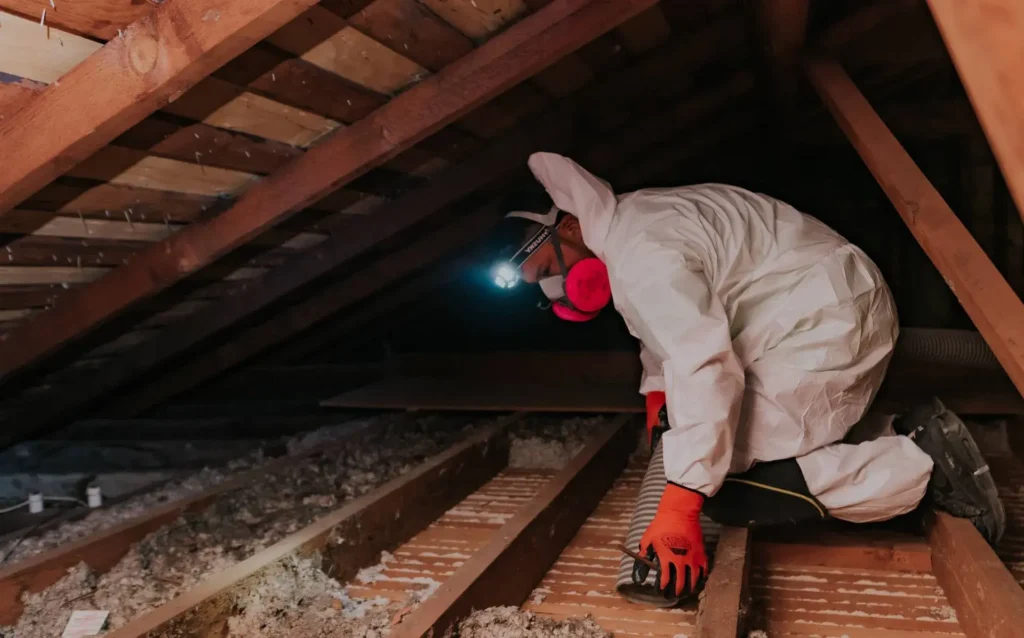
Attic roof insulation is the layer of material installed in your roof structure to slow the transfer of heat. Think of it as a protective blanket for your home.
Without it, your home can lose 25–30 percent of its heat through the roof during the winter. In the summer, that same attic space can soak up heat like a sponge, pushing temperatures higher in the rooms below. This leads to higher energy bills and an uncomfortable living environment.
When deciding which insulation is best for your attic roof, consider:
- Climate – Colder areas benefit from insulation with a higher R-value (more resistance to heat flow), while hot climates benefit from reflective or radiant materials.
- Roof design – Steep roofs may allow for thicker insulation, while low-pitch or flat roofs might require thinner but more efficient options.
- Budget – Some insulation costs more upfront, but can pay for itself through energy savings.
- Moisture resistance – Essential in humid regions to prevent mold and rot.
Why Roof Insulation Matters?
Lower energy bills
Insulation is one of the most cost-effective ways to reduce your heating and cooling costs. By preventing heat from escaping in winter and blocking it in summer, your HVAC system runs less often and uses less energy.
Better comfort year-round
No more hot bedrooms upstairs in July or freezing cold mornings in January. Good insulation helps keep temperatures consistent throughout the home.
Noise reduction
Thicker insulation also acts as a sound barrier, reducing outside noise from traffic, rain, or nearby neighbors.
Increased home value
Energy-efficient homes are more attractive to buyers. A well-insulated roof can be a selling point that sets your home apart.
How To Choose The Right Roof Insulation
Climate and weather
- Cold climates: Prioritize materials with high R-values like spray foam or thick fiberglass batts.
- Hot climates: Radiant barriers and reflective materials can be paired with standard insulation to block heat from the sun.
- Mixed climates: A balanced approach with decent R-value and good moisture control works best.
Roof type and structure
- Steep-pitched roofs: Can accommodate thicker insulation layers.
- Flat or low-slope roofs: May require rigid foam boards or spray foam for high performance without excessive thickness.
Budget vs savings
Cheap insulation can still work if installed well, but higher-end materials can pay for themselves in 3 to 7 years with lower utility bills.
Main Types Of Roof Insulation
Choosing the best insulation for your roof starts with understanding the strengths and weaknesses of each option. While all of them aim to keep your home comfortable and energy-efficient, the way they work — and the situations they work best in — can be quite different.
Spray Foam Insulation
Spray foam insulation starts as a liquid and expands rapidly into a thick foam that fills every crack, gap, and crevice in your roof space. This creates an airtight seal that not only improves insulation but also blocks drafts and moisture from seeping in. There are two main types: open-cell, which is softer and more flexible, and closed-cell, which is denser, stronger, and offers a higher R-value per inch.
- Pros: Exceptional R-value (3.6 to 6.5 per inch), superior moisture resistance, and the ability to add some structural strength to your roof. It can last for decades without significant performance loss.
- Cons: One of the more expensive insulation types, with costs that can be two to three times higher than fiberglass. It also requires professional installation and isn’t suitable for DIY.
- Best for: Homes in humid climates where moisture control is a priority, roofs with awkward or irregular spaces, and situations where maximum energy efficiency is the goal.
Rigid Foam Boards (Polyiso, Xps, Eps)

Rigid foam boards are solid insulation panels that can be installed over or under your roof deck. They come in several varieties — polyisocyanurate (polyiso), extruded polystyrene (XPS), and expanded polystyrene (EPS) — each with different moisture resistance levels and R-values. Because they are dense and flat, they can be layered for extra insulation without adding too much thickness.
- Pros: High R-value per inch, excellent moisture resistance, and a thin profile that makes them ideal for areas with height restrictions. They’re especially useful during roof replacement projects, as they can be added before new shingles or roofing materials go on.
- Cons: Requires careful sealing at the seams to prevent air leaks. Installation can be more labor-intensive and often needs professional expertise.
- Best for: Major renovations, flat or low-slope roofs, and projects where the roof covering is being replaced.
Fiberglass Batts
Fiberglass batts are one of the most familiar and budget-friendly insulation options. They’re made from fine glass fibers and come pre-cut to fit between standard roof rafters or attic floor joists. They can be installed by homeowners with basic tools and some safety gear, making them popular for DIY projects.
- Pros: Low cost, easy to find at most home improvement stores, and relatively simple to install. Fiberglass does not settle over time, so it maintains its thickness and insulating value for many years.
- Cons: If batts are not installed snugly, gaps can reduce their effectiveness. They can also absorb moisture, which lowers their R-value and may encourage mold growth. Handling fiberglass requires gloves, long sleeves, and a mask to avoid skin irritation.
- Best for: Attics with standard joist spacing, open and accessible spaces, and projects with a limited budget.
Blown-In Insulation (Cellulose Or Fiberglass)
Blown-in insulation, also called loose-fill insulation, is made up of small particles that are blown into your attic or roof cavity using special equipment. This method allows the insulation to fill in around pipes, wires, and other obstructions, creating a continuous layer of coverage that’s difficult to achieve with batts or boards.
There are two main materials used: cellulose, which is made from recycled paper treated for fire resistance, and fiberglass, which is made from fine glass fibers similar to fiberglass batts. Both materials have good insulating properties, though cellulose tends to have slightly better air-sealing qualities.
- Pros: Excellent for covering irregularly shaped areas, penetrates into small gaps, and creates an even blanket of insulation. Cellulose is an eco-friendly option made from recycled materials. Works well for topping up existing insulation without removing it.
- Cons: Can settle over time, which reduces its overall R-value, so it may need to be topped up every decade or so. Professional installation is recommended for even coverage.
- Best for: Adding insulation to existing attics, upgrading old or insufficient insulation, and filling tricky or hard-to-reach spaces where batts and boards don’t fit well.
Pros And Cons Comparison Table
| Type | R-Value per inch | Pros | Cons | Cost range (per sq ft) | Best for |
| Spray foam | 3.6–6.5 | Airtight seal, moisture resistant, long life | Higher cost, pro install needed | $1.50–$3.00+ | Tight spaces, humid climates |
| Rigid foam boards | 3.6–6.0 | High R-value, moisture resistant, thin profile | More labor needs sealing | $1.00–$2.50 | Roof replacements, flat roofs |
| Fiberglass batts | 2.9–3.8 | Low cost, easy DIY, widely available | Loses efficiency if gaps exist | $0.40–$1.50 | Standard attics |
| Blown-in insulation | 2.2–3.8 | Fills gaps, eco-friendly cellulose | Settles over time | $0.80–$1.80 | Existing attics |
Final Thoughts
The best roof insulation for your home depends on your climate, roof design, and budget. With the right choice, you can enjoy a more comfortable home and lower utility bills for decades.
If you’re in Coquitlam, Proper Roofing’s Coquitlam Roofing Services can help you choose and install the perfect insulation. Our team will assess your home, recommend the most effective solution, and install it to the highest standards. Call us today or visit our website to book your free inspection.
Check out our social media pages below:
Check out some of our blogs to help with your Roofing needs:
What Is the Best Underlayment for Roofing